
 People often assume that tiredness comes from being unfit, inactive, or unmotivated.
For amputees, that assumption couldn’t be further from the truth.
 People often assume that tiredness comes from being unfit, inactive, or unmotivated.
Fatigue after limb loss is real, physical, and often invisible — and it affects people very differently depending on whether they have an upper-limb or lower-limb amputation.
Understanding this difference matters. It changes how we support amputees at home, at work, in education, and in the community.
Lower-limb amputees: when walking costs more than exercise
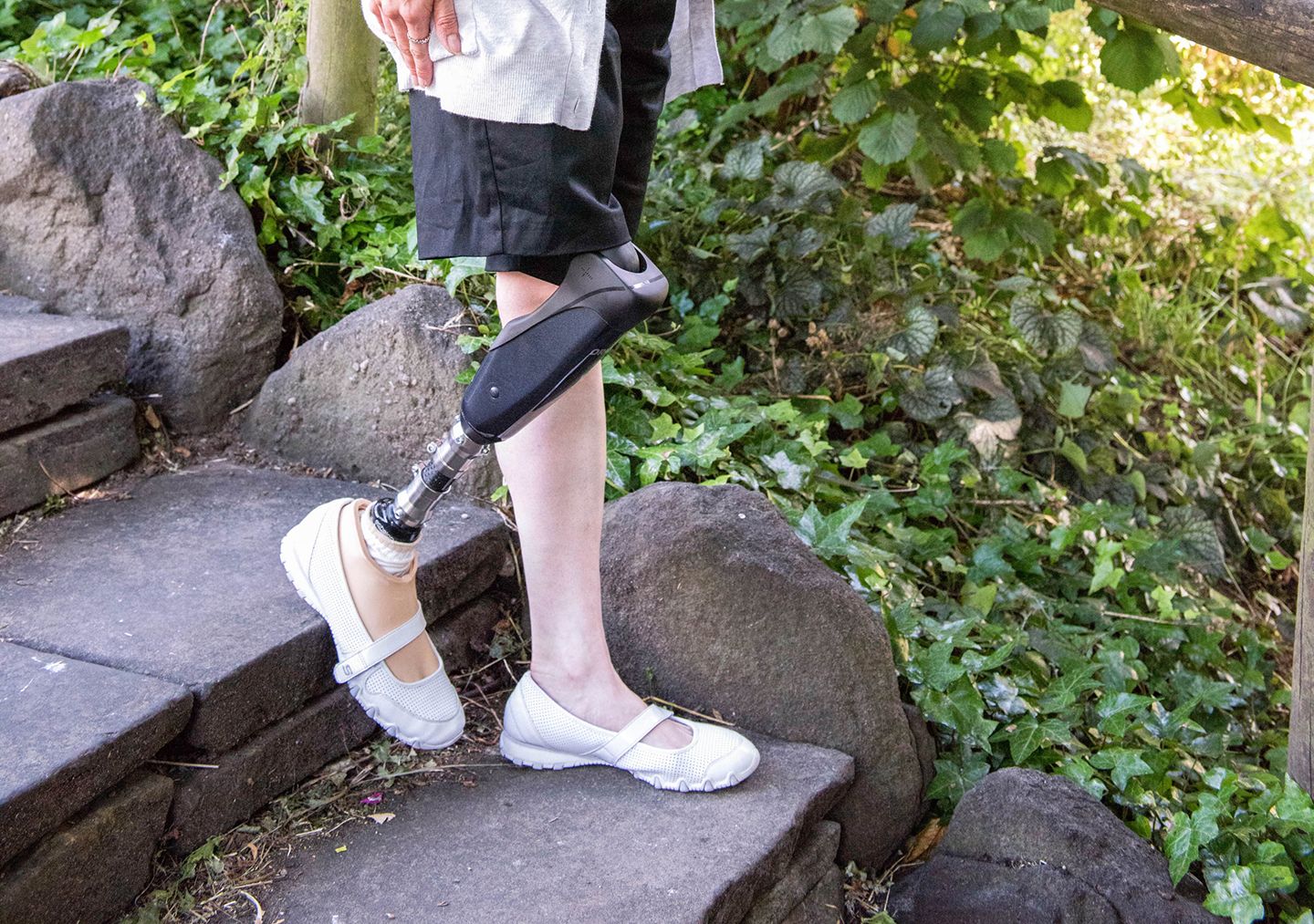
For lower-limb amputees, walking is a constant physical challenge.
Research consistently shows that:
-
Below-knee amputees may use 10–40% more energy to walk
-
Above-knee amputees may use 60–100% more energy
-
Some people expend energy equivalent to continuous moderate exercise just by getting around
Even when walking more slowly, the body works harder. The hips, core, and intact limb compensate for lost joints and muscles, increasing strain and cardiovascular demand.
Key point:
Slower does not mean easier — it often means harder.
Upper-limb amputees: fatigue hides in everyday tasks

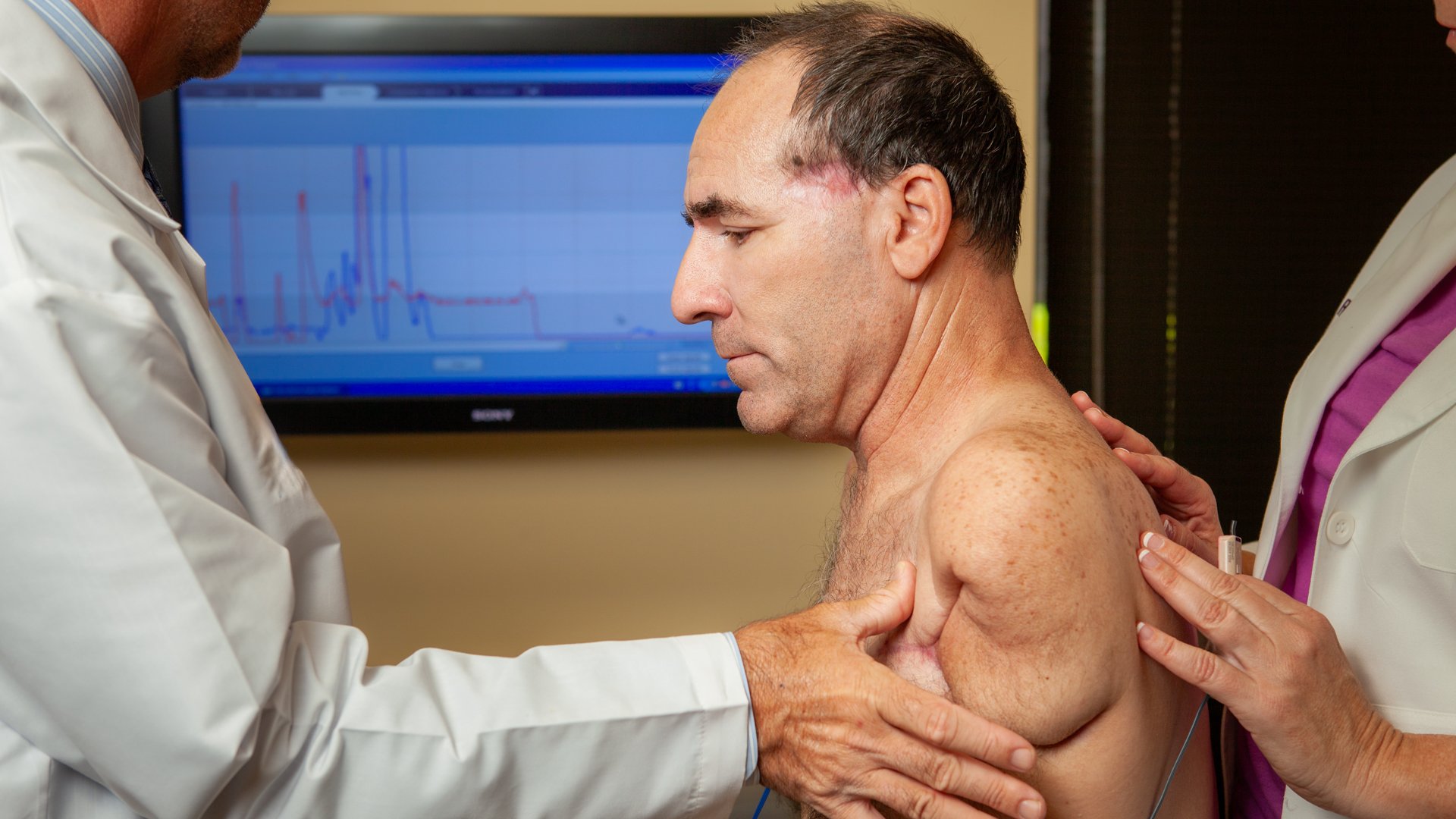
Upper-limb amputees usually don’t experience the same increase in whole-body energy use — but that doesn’t mean they aren’t exhausted.
Their fatigue is often:
-
Task-based
-
Cumulative
-
Invisible to others
Everyday activities like dressing, cooking, carrying children, typing, or cleaning take longer and require more concentration. Over time, this leads to:
-
Shoulder and neck strain
-
Back pain
-
End-of-day exhaustion
Many people finish the day mentally and physically drained without having “done much” — at least by external standards.
The hidden load: thinking takes energy too

Using a prosthesis isn’t automatic. Many amputees constantly think about:
-
Foot placement
-
Balance and stability
-
Uneven ground, slopes, stairs, crowds
-
Pain, socket comfort, or skin issues
This cognitive load quietly adds to fatigue.
As one amputee put it: “Every step involves thinking, not just moving.”
Why fatigue doesn’t look the way people expect
Amputee fatigue is often misunderstood because:
-
It doesn’t always show during short interactions
-
People may “push through” then crash later
-
Pride and social pressure encourage masking
This can lead to assumptions like:
-
“You were fine earlier”
-
“You don’t look tired”
-
“You did this yesterday”
In reality, many amputees budget their energy carefully — one big task per day, recovery time after events, and quieter days built in.
Long-term impact: why early understanding matters

Without the right support, fatigue can lead to:
-
Overuse injuries
-
Chronic pain
-
Reduced participation
-
Social isolation
As amputees age, energy demands often increase while recovery takes longer — making early, compassionate support even more important.
What helps (and what doesn’t)
What helps
-
Flexible schedules and pacing
-
Good prosthetic fit and regular reviews
-
Understanding from employers, schools, and families
-
Permission to rest without guilt
What doesn’t
-
“Just push through it”
-
Comparing energy levels to non-amputees
-
Assuming fitness removes fatigue
The takeaway
Fatigue after limb loss isn’t about motivation, effort, or attitude.
It’s about biomechanics, compensation, and constant adaptation.
When we understand that, we create spaces where amputees can participate fully — without burning out just to be seen as “coping”.
Recent Comments