Emergency Situations – FAQ’S
Keep a backup mobility aid at home
Store a basic first aid kit and wound care supplies
Save key contact numbers in your phone and on a card in your wallet
Carry a doctor’s letter if travelling with prosthetics/equipment
Know the signs of infection and when to seek urgent help
What if my prosthetic limb breaks or stops working suddenly?
- Stop using it immediately to avoid falls or injury.
- Use your backup mobility aid (crutches, wheelchair, walker) if available.
- Contact your limb centre/prosthetist as soon as possible.
- If you’re travelling, call ahead to the nearest limb centre or ask your insurer about emergency repairs.
What if I fall and injure my residual limb?
- Check for bleeding, swelling, or deformity.
- If there is heavy bleeding:
- Apply pressure with a clean cloth or bandage.
- Call 999 (UK) or local emergency number
- If it’s painful but not severe, avoid weight-bearing and contact your healthcare provider.
What should I do if I experience sudden severe pain in my residual limb?
- Phantom pain and nerve pain are common, but sudden new severe pain could signal infection, poor circulation, or another issue.
- Rest, remove the prosthesis, and check the skin.
- Contact your GP or limb centre urgently.
- If pain is unbearable or accompanied by fever, swelling, or colour change → call 999.
What should I do if I experience sudden severe pain in my residual limb?
- Phantom pain and nerve pain are common, but sudden new severe pain could signal infection, poor circulation, or another issue.
- Rest, remove the prosthesis, and check the skin.
- Contact your GP or limb centre urgently.
- If pain is unbearable or accompanied by fever, swelling, or colour change → call 999.
What if my residual limb becomes red, swollen, or blistered?
- Remove the prosthesis to prevent further irritation.
- Clean and dry the area gently.
- If it’s minor, rest and monitor for 24–48 hours.
- If redness worsens, the wound breaks, or swelling spreads → contact your GP or limb centre.
- For signs of infection (heat, pus, fever), seek urgent medical care.
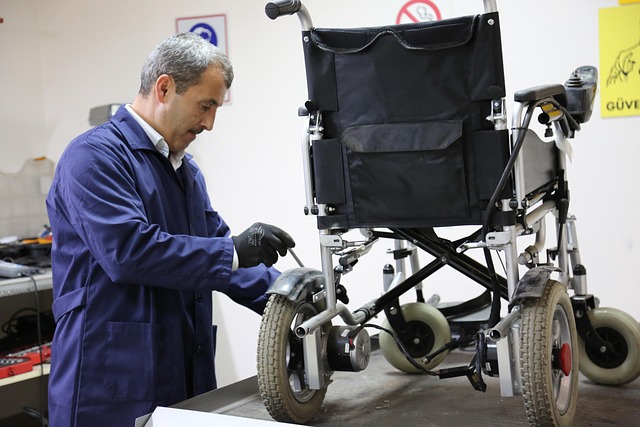
What if my wheelchair, crutches, or mobility aids break?
- Always keep a backup aid if possible.
- Many councils and NHS wheelchair services provide emergency repair numbers — keep these with you.
- Some charities (e.g., British Red Cross) offer short-term equipment loans.
What if my prosthesis gets lost or stolen while travelling?
- Use your backup mobility aid (crutches/wheelchair).
- Contact your insurer and report the loss immediately.
- Ask your limb centre if an emergency replacement or loan prosthesis is available.
Telephone
03333 606930
Address
Isleham Business Park, Hall Barn Road, Isleham
Cambs CB7 5QZ
hello@steelbone.co.uk
Register here to receive your
FREE Support Pack
If you need some urgent help or support,
please ring the team on 03333 606930